






Myths vs. Facts: Laser Treatment of Fistula in ano
Myth: It’s experimental or unsafe.
- Fact: It’s a well-established, FDA-approved, and widely used technique, often safer than traditional surgery due to minimal tissue damage.
Myth: It’s extremely painful.
- Fact: Patients report minimal pain and discomfort because it avoids large cuts, with most feeling only mild soreness.
Myth: It can’t treat complex or critical fistulas.
- Fact: Laser therapy is very effective for complex fistulas, precisely targeting the tract while preserving the anal sphincter, reducing incontinence risk.
Myth: Recovery is long (weeks/months).
- Fact: It’s a daycare procedure, allowing patients to return to normal activities in 24-48 hours, unlike traditional surgery.
Myth: It’s a guaranteed, permanent cure.
- Fact: While highly effective, success depends on the surgeon’s skill, and some recurrence risk exists (though lower than traditional methods), requiring proper care.
Myth: It’s only for simple cases or a last resort.
- Fact: It’s a great option for many types, including complex ones, offering benefits over older methods like fistulotomy/fistulectomy.
Myth: It’s too expensive.
- Fact: Costs are becoming competitive, and it can be more affordable than traditional surgery when considering lost work time and complications
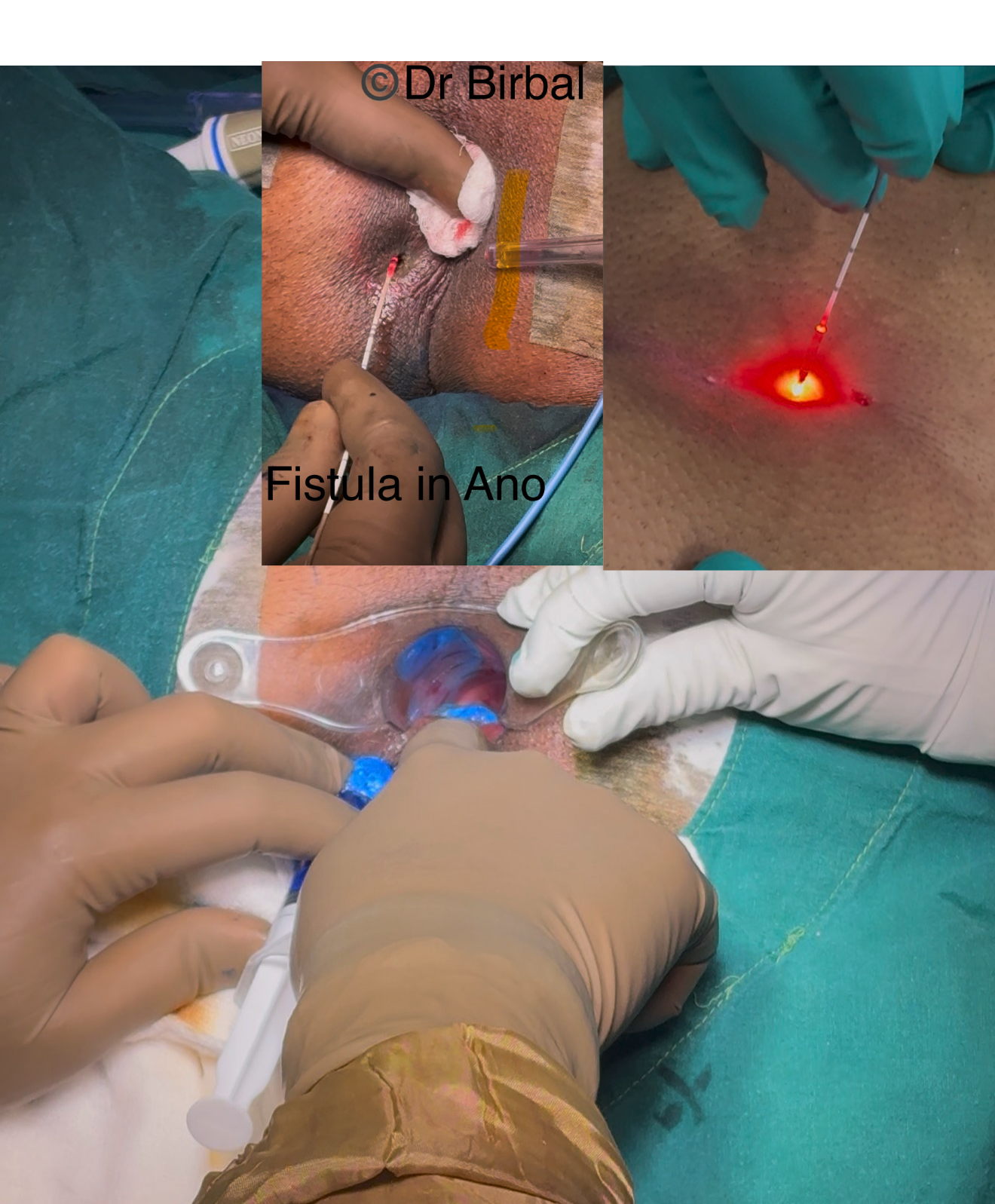
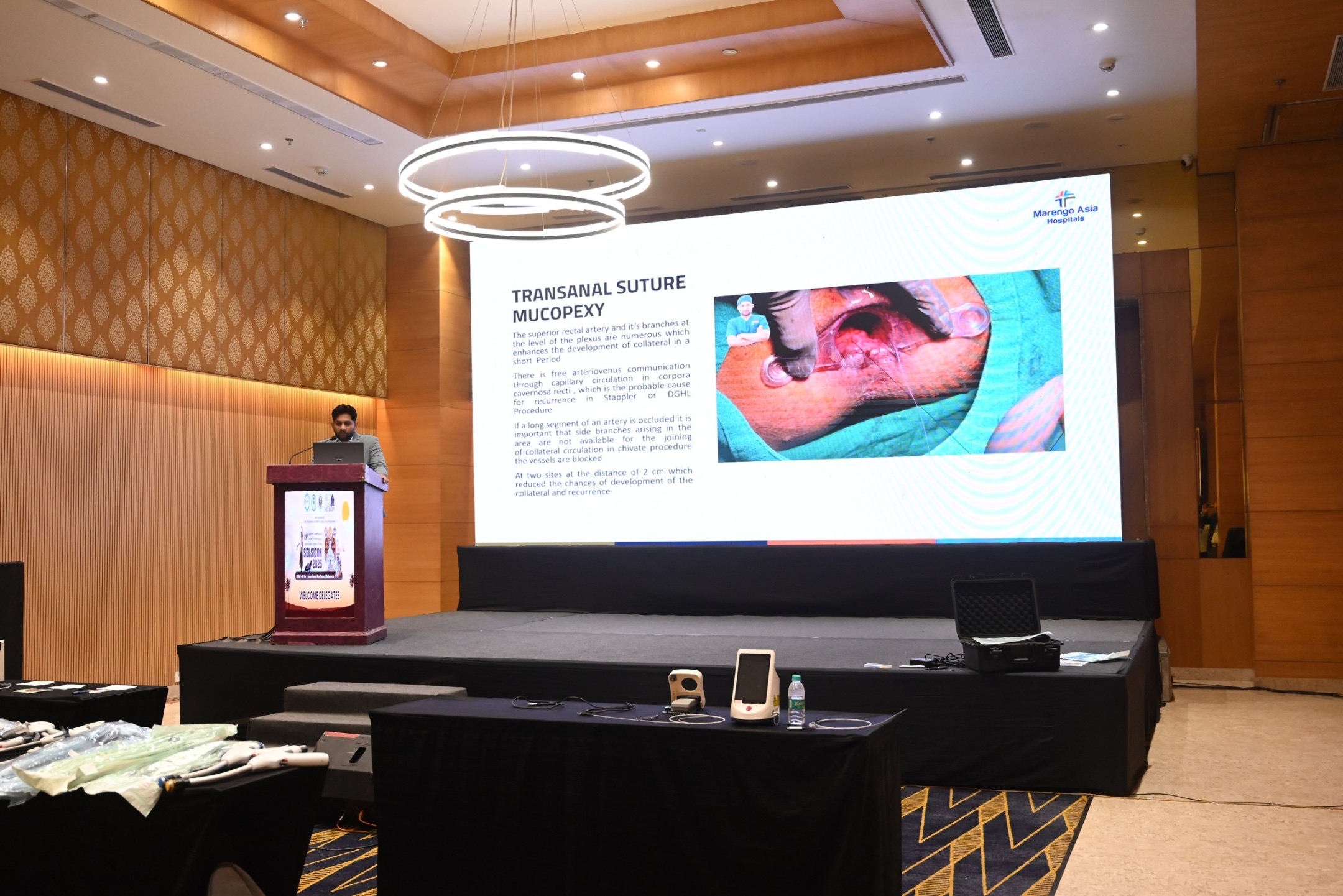
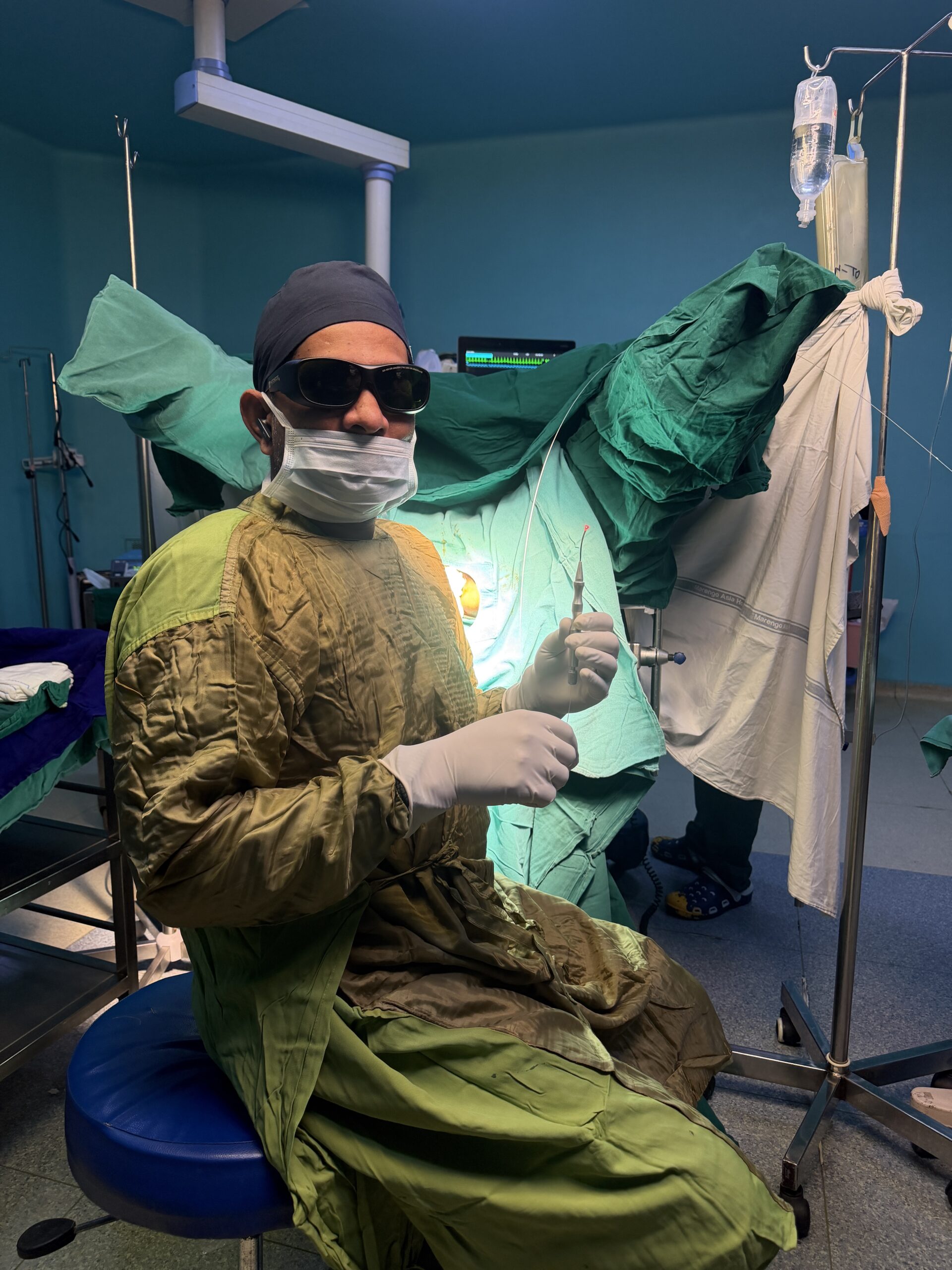
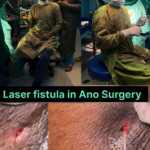
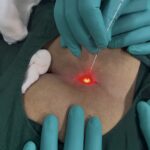
‘Fistula Laser Closing’ (FiLaC) (Biolitec AG, Jena, Germany)
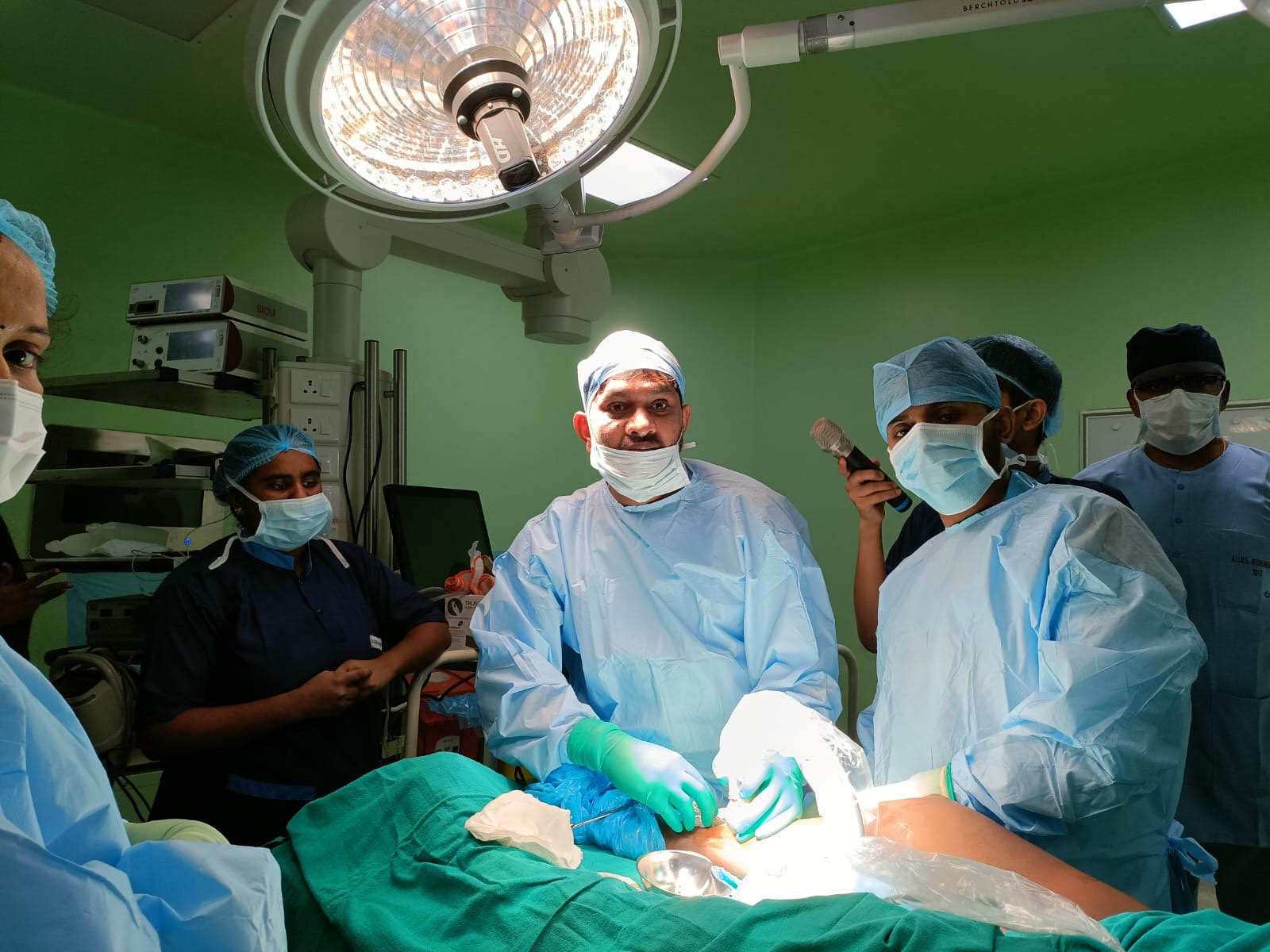
1.Minimal invasive technique utilizes laser energy to carry out the process for fistula tract ablation.
2.A radial fiber emits laser beam into the fistula track causing the tissue to shrink, thus helping in the sealing process.
3.The closure of the internal opening is achieved by an endorectal flap.
Park’s classification Fistula in ano ;
Intersphincteric fistula (IF)
Transsphincteric fistula (TF)
Suprasphincteric fistula (SF)
Extrasphincteric fistulas(EF)
Key Outcomes related to Laser fistula in ano;
- Success Rates: Primary healing rates more than 80%.
- Pain & Recovery: Significantly less pain and quicker return to work within a week.
- Incontinence: minimal
- Recurrence: Occurs in some cases (around 18-20%), but secondary procedures can improve outcomes.
- Complications: Generally minimal, with low rates of infection or abscesses
Factors Influencing Outcomes:
- Fistula Type: More suitable for simple fistulas, though effective in complex ones too.
- Hygiene: Crucial for preventing infection and recurrence.
- Patient Compliance: Following post-op instructions boosts success.
3 Comments
The Common category includes then following block: Paragraph, image, heading, latest gallery, quote, audio, cover, video. The paragraphs block is the default block type. This is should not have any and alignment of any kind. Category and then there are many things to following blocks and many more.
The Common category includes then following block: Paragraph, image, heading, latest gallery, quote, audio, cover, video. The paragraphs block is the default block type. This is should not to have any alignment of any kind.
The Common category includes then following block: Paragraph, image, heading, latest gallery, quote, audio, cover, video. The paragraphs block is the default block type. This is should not have any there alignment of any kind. Category and then there are many things too following blocks and many more.