
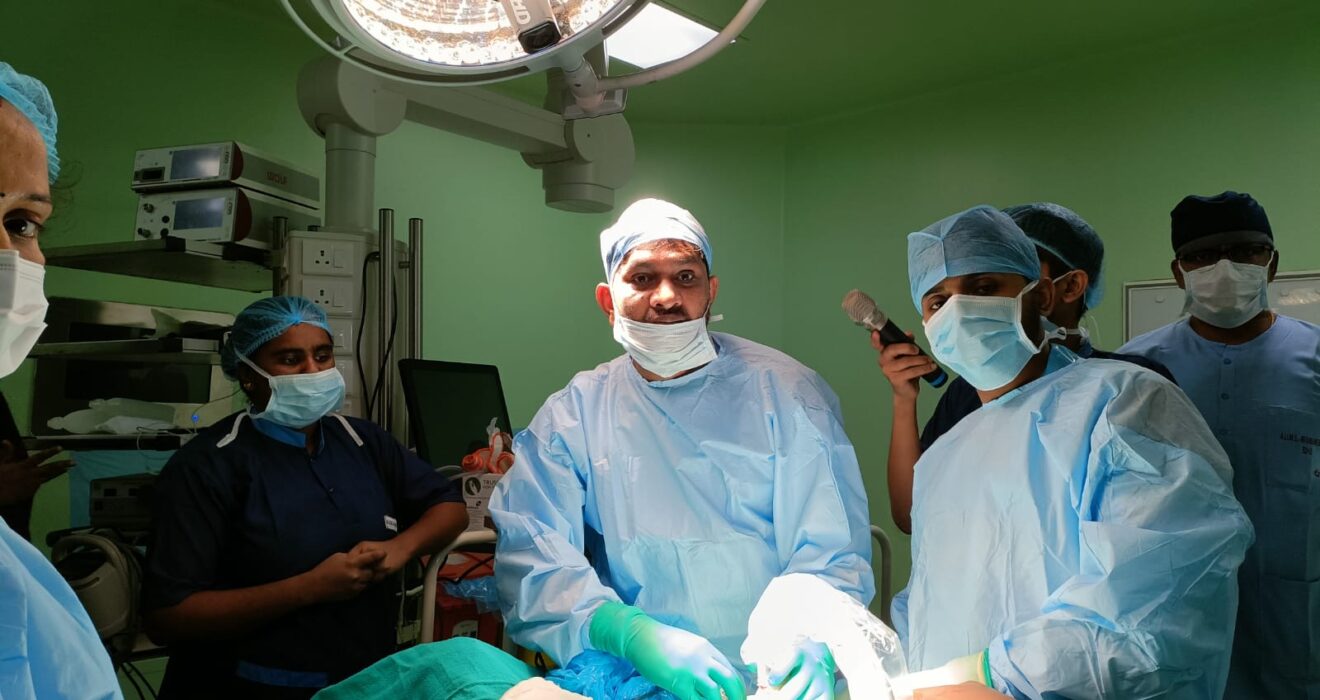
Stages of Venous Leg Ulcer Healing: What to Expect Later
What are Venous Leg Ulcers?
Venous leg ulcers are open sores that usually occur on the lower leg, often near the ankle. They are caused by long-term venous insufficiency, a condition in which the veins of the legs do not function properly. When blood fails to flow back to the heart efficiently, it pools in the legs, creating raised venous hypertension leads to venous pressure in lower limb. Over time, this pressure damages the skin and underlying tissues near gaiter area of medial malleolus, eventually leads to ankle edema that further changes to venous ulcer.
Causes Venous Leg Ulcers?
Chronic venous insufficiency is the main cause of venous ulcers. Normally, valves inside the leg veins ensure blood flows upward toward the heart. When these valves weaken or are damaged, blood flows backward and pools in the legs. This leads to venous hypertension, which gradually breaks down the skin and tissues.
Oher reason of venous ulcers:
- Varicose veins
- Previous history of deep vein thrombosis (DVT)
- Obesity and a sedentary lifestyle
- Trauma or injury to the leg
- Age-related vein weakness
- Family history of venous disease
- Associated disease like DM, immunocompromised patient
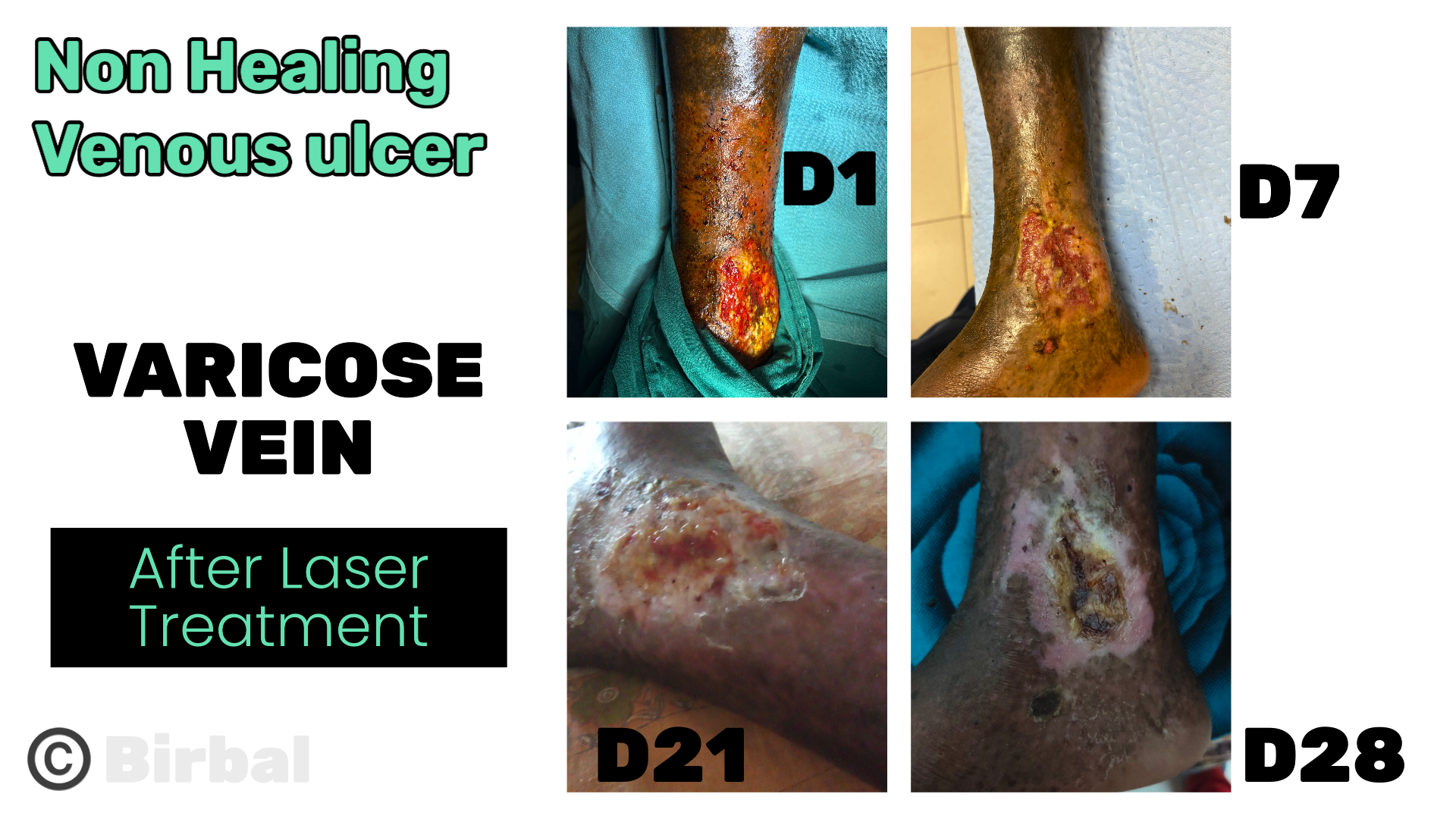
Stages of Venous Ulcer Healing
- Stage 1 (Pre-Ulcer/Skin Changes): Skin becomes reddish, brownish, or mottled, thickened, itchy, and dry, often with visible varicose veins and swelling (edema). No open wound, but aching or heavy legs are common.
- Stage 2 (Early Ulcer): A shallow, irregular sore appears, usually where the skin is most discolored, with potential fluid leakage and inflammation.
- Stage 3 (Established Ulcer): The ulcer deepens and widens, becoming a clearly visible, open wound, potentially with increased pain and signs of infection.
- Stage 4 (Severe/Active Ulcer): The wound is deep, open, and may ooze, with surrounding skin thickened, shiny, or infected. It often requires significant medical intervention.
Prevention Of Venous Ulcer:
Key Prevention Strategies:
Quit Smoking: Smoking negatively impacts circulation and healing. .
Compression therapy: Wearing graduated compression stockings (more pressure at the ankle) is crucial for improving blood flow and preventing recurrence.
Leg Elevation: Raise your legs above your heart level for short periods, especially after standing or sitting.
Leg Exercise: Regular activity like walking improves circulation, but avoid prolonged standing or sitting.
Health lifestyle: Maintaining a healthy weight reduces pressure in leg veins.
Diet :A balanced diet low in salt helps manage fluid retention.
Advanced and Surgical Options
- Venous Procedures: Minimally invasive treatments like Endovenous Laser Ablation, Radiofrequency ablation, Ultrasound Guided Foam Sclerotherapy, Microwave Therapy, Venaseal Glue Therapy.
- Medications:
- Pentoxifylline
- Antibiotics:
- Skin Grafts: For large or non-healing ulcers, bioengineered skin or skin from another part of the body may be applied
3 Comments
The Common category includes then following block: Paragraph, image, heading, latest gallery, quote, audio, cover, video. The paragraphs block is the default block type. This is should not have any and alignment of any kind. Category and then there are many things to following blocks and many more.
The Common category includes then following block: Paragraph, image, heading, latest gallery, quote, audio, cover, video. The paragraphs block is the default block type. This is should not to have any alignment of any kind.
The Common category includes then following block: Paragraph, image, heading, latest gallery, quote, audio, cover, video. The paragraphs block is the default block type. This is should not have any there alignment of any kind. Category and then there are many things too following blocks and many more.